Receive FREE Insights from the editors of IAS by Email



With inflation sticky and yields near multiyear highs, earnings growth keeps stocks on track.

With a solid labor market (as we covered in our look at the market’s narrow leadership) and ongoing concerns regarding stickier-than-expected inflation, the Federal Reserve raised interest rates for the first time in three years at its September meeting. The quarter-point increase raised the target range for the federal-funds rate to 3.75%-4.0%. Chairman Warsh indicated one of the reasons for the increase is that the economy appears to be strengthening. The Fed held rates steady at its October meeting, leaving the target range unchanged.
The September CPI report showed consumer prices advanced 3.7% on an annual basis and up 2.6% excluding food and energy. The hotter-than-expected report was due to broad-based price increases and boosted expectations for rate hikes over the coming year. Inflation data will be closely scrutinized going forward to determine the Fed’s rate path, which remains highly uncertain.
Markets are currently pricing in one more quarter-point hike in 2026 with three to four total quarter-point increases over the next year. It is unclear how effective rate increases will be in pumping the brakes on the parts of the economy driving inflation. The AI race is viewed by many companies as existential, so a few quarter-point rate increases are unlikely to slow investment. Higher rates do hit households, most notably middle and lower-income consumers, making for a tricky balancing act for the Fed, which has signaled its seriousness about returning inflation to its 2% target after running above that level for more than five years.
Given strong underlying growth and elevated inflation, it is unsurprising interest rates have moved higher. Yields on the 10-year Treasury have historically tracked annual nominal GDP growth, which as of the most recent reading is running over 6%. The 10-year Treasury yield reached its highest level in 24 years and after peaking at just over 5.3% has settled around 5.10%, up from approximately 4.2% at the start of the year. The increase has put upward pressure on mortgage rates, with the average rate on 30-year mortgages at approximately 7.4%, up from 6.3% a year ago. The increase in real rates, which excludes the impact of inflation, underscores the contribution of stronger growth to the rise in yields. Ten-year real rates have broken out to levels last seen in 2007.
Higher rates have pressured multiples. The forward multiple on the S&P 500 is 19x, down 15% from the highs earlier this year and approximately in line with the 10-year average. The equal-weighted S&P 500 index trades at 16x forward earnings, down 13% from 2026 highs. Earnings have driven the market higher.
As always, there are plenty of risks to point to, including the durability of the AI trade, inflation, higher rates, and uncertainty related to the midterm election. Further, the Anthropic IPO, currently expected in November, reportedly is targeting a valuation in the $2 trillion range after OpenAI delayed its IPO until 2027. Investors are increasingly focused on whether capital markets can support the amount of money that needs to be raised via both debt and equity to continue the hefty level of AI-related investment expected over the next few years.
The good news is the rise in the index year to date has been driven by strong fundamentals with robust reported earnings growth combined with upward earnings revisions. After 34% earnings growth in Q2, consensus estimates reflect 25% growth in Q3 with those estimates increasing over the past two months in a sign of growing confidence. 2027 consensus expectations reflect approximately 16% earnings growth with estimates also moving higher since the start of the year. This would be a strong follow-up to expected earnings growth of more than 30% this year.
Though the market has been relatively narrow and largely focused on AI, it remains sensible to also look for companies offering access to the broader economy that possess strong, durable earnings growth trading at attractive prices. A diverse portfolio of companies combining these exposures remains a reasonable way to position for the long term in a challenging environment.
In the November 2026 issue of IAS, our analysts recommend two large-cap stocks. The first, a leading supplier of data center power and cooling systems in the industrials sector, is positioned to benefit from AI-driven demand for liquid cooling and projects a 23.8% compound annual total return with an upside/downside ratio of 3.7 to 1. Its shares ran hot right out of the gate after being featured in the issue, gaining 25% in the first five trading days after publication!
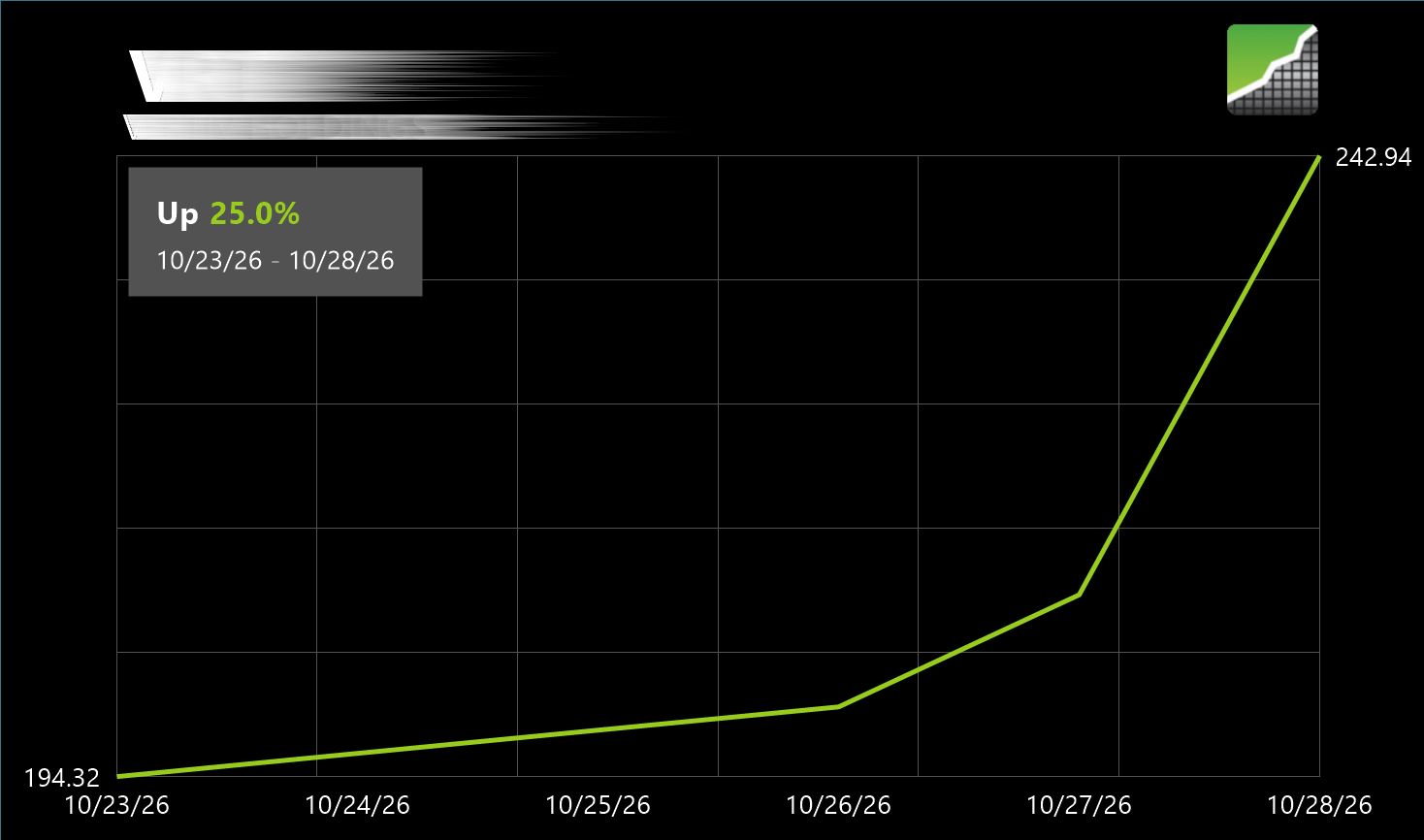
The second, a technology company whose cloud-based platform runs point-of-sale, payments, and payroll for about 180,000 restaurant locations, projects a 21.0% compound annual total return with an upside/downside ratio of 3.2 to 1.
Subscribe today to unlock these and other top picks!
The commentary is excerpted from the issue of the Investor Advisory Service newsletter published at the end of October 2026. To receive commentary like this in a timely manner and receive actionable stock ideas each and every month, subscribe today. The Investor Advisory Service stock newsletter was named to the Hulbert Investment Newsletter Honor Roll for the 17th consecutive year for outperforming every up and down market cycle since 2007.
For more information about the Investor Advisory Service, to download a sample issue, or to subscribe to the best investing newsletter in the U.S. for long-term consistent returns, visit Investor Advisory Service.
©Equity Research Service. All Rights Reserved. Privacy Policy. Terms of Use.